
Murano Glassmaking: Venetian Craft in a Modern Design World
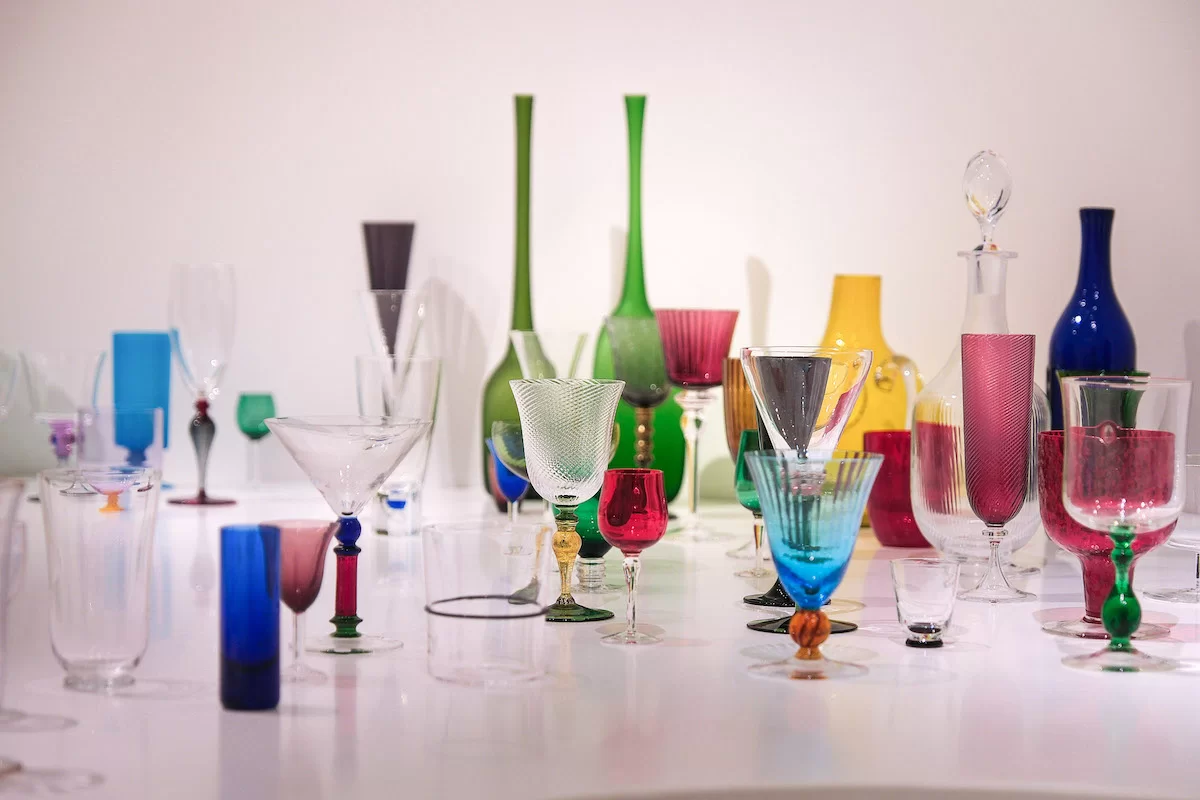
Murano glassmaking is a long-standing Venetian tradition that combines technical skill, artistic invention, and material refinement. Centered on the island of Murano, the craft encompasses both functional objects and artistic expressions, from chandeliers, vases, and tableware to jewelry and sculptural works. Known internationally for vivid color, meticulous surface detail, and mastery of heat and form, Murano glass balances carefully preserved methods with contemporary design languages and evolving technologies. This enduring craft remains closely associated with Italian cultural heritage and with the wider identity of Venetian artistry, while also participating in a global market that values both continuity and innovation.
Across centuries, Murano glass has developed a comprehensive vocabulary of techniques—mouthblowing, lampworking, specialized decorative processes—that supports an expansive aesthetic range. Workshops uphold a system of apprenticeship and team-based production led by master glassmakers, ensuring that highly specific knowledge is transmitted and adapted over time. At the same time, new materials research, digital processes, and sustainability-focused practices are reshaping aspects of production. The result is a field that maintains fidelity to core principles while engaging with modern design dialogues and market conditions. As both symbol and practice, Murano glassmaking presents an evolving case study in how traditional crafts respond to shifting cultural expectations and technological change without relinquishing their distinctive identity.
Origins & Historical Background
The glassmaking tradition on Murano has deep historical roots. Evidence documents the presence of glass furnaces and a “magister vitri” on the island by 641 AD, indicating an established community of skilled practitioners by the early medieval period. In 1291, the Venetian Republic mandated the relocation of glass furnaces from the city of Venice to Murano. This decree was intended to reduce the risks associated with open-flame furnaces in dense urban quarters and to concentrate oversight of a valuable craft. The move catalyzed Murano’s status as a specialized production center and aligned governance, resources, and knowledge within a defined locality.
Geography shaped the trajectory of Murano glass. Access to raw materials such as silica sand, soda, lime, and other fluxes, along with the availability of firewood and the stabilizing effect of lagoon water and climate, fostered the consistent production of high-quality glass. Over time, Murano’s workshops organized into guilds—active by the 12th century—which codified training pathways, protected trade secrets, and established standards. This institutional framework encouraged both continuity and controlled experiment, allowing glassmakers to advance techniques while preserving closely held knowledge.
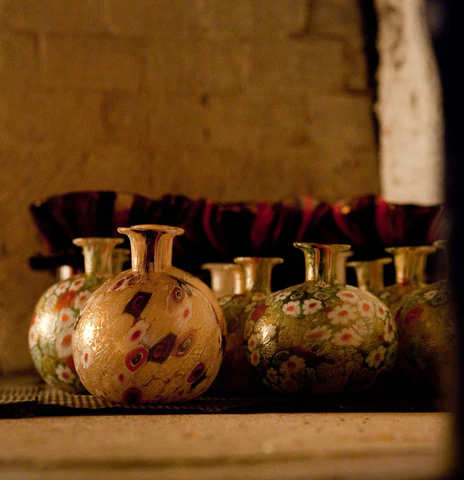
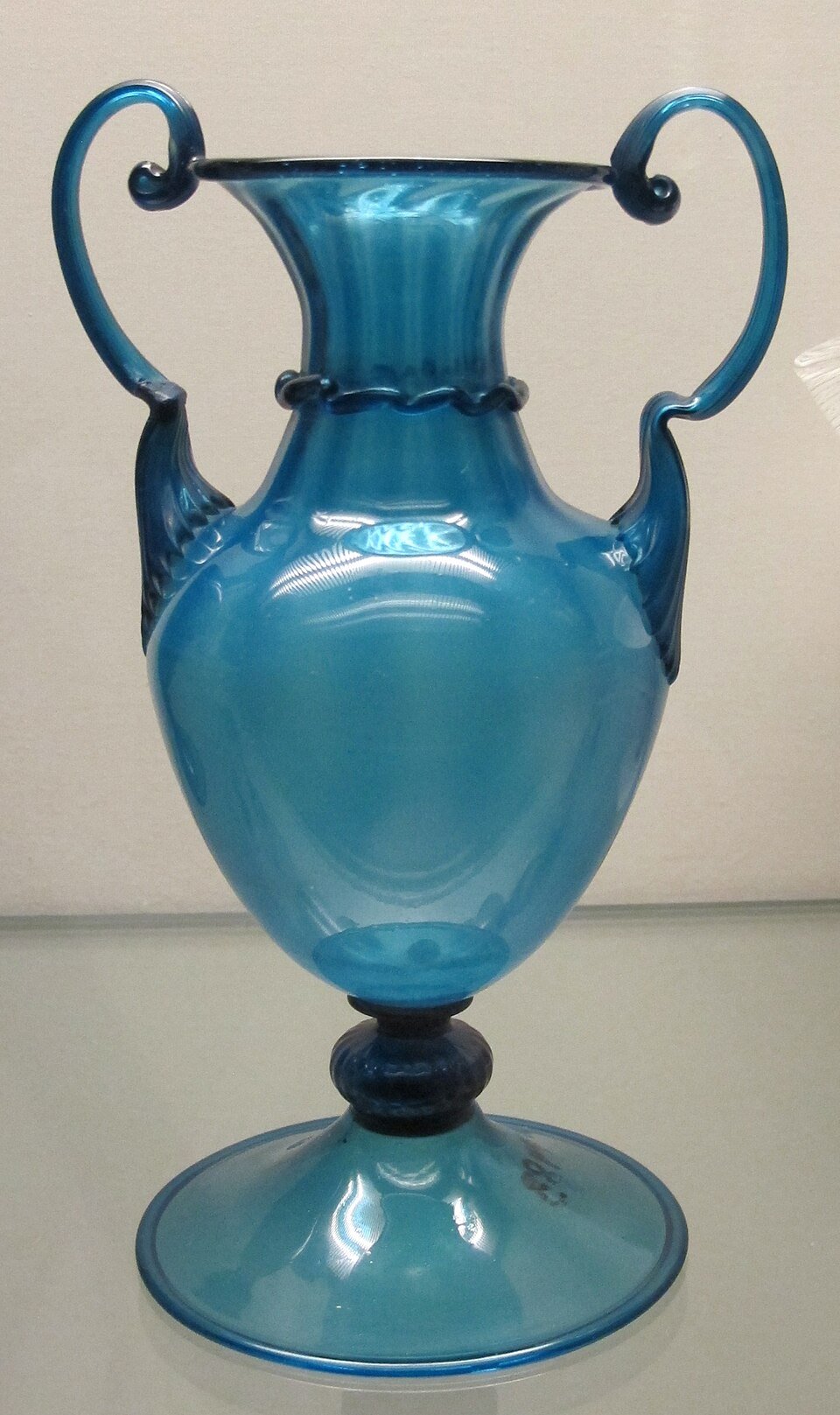
Across the Renaissance and Baroque periods, Murano’s reputation grew through technical breakthroughs and stylistic refinement. New recipes for color and clarity, together with complex decorative approaches, aligned the island’s production with the broader artistic currents of its time. While the 19th century brought a decline driven by industrial competition and shifts in consumer preference, the 20th century saw a revival. Master glassmakers, often in collaboration with artists and designers, revitalized forms, surfaces, and methods. These partnerships reinforced Murano’s visibility and helped translate traditional skills into contemporary objects, ensuring that the island remained a significant locus of artisanal glassmaking well into the modern era.
Materials & Techniques
Murano glassmaking rests on a careful orchestration of raw materials, heat, and time. The primary ingredients include silica sand, soda, lime, and potassium, which are melted at temperatures around 1500°C. To create the luminous chromatic effects associated with Murano, glassmakers introduce metal oxides—including copper, cobalt, manganese, and gold—into the melt. These additives, selected and combined according to established recipes, generate a controlled palette that ranges from delicate translucency to saturated hues. The chemistry of color is integral to the craft’s identity, shaping both the aesthetics and the techniques that define Murano glass.
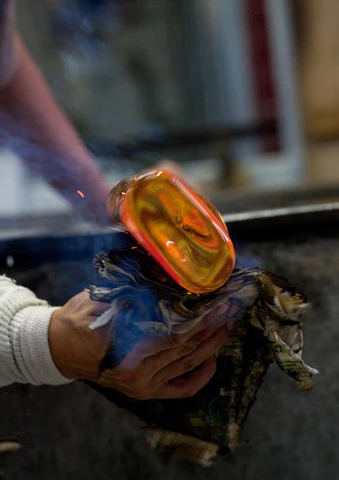
Traditional forming processes anchor the practice. Mouthblowing remains central: a gather of molten glass is collected on the end of a blowpipe, inflated into a bubble, and shaped with specialized tools and calibrated movement. The process requires coordination within a team, with the maestro guiding the glass while assistants prepare materials, rotate the blowpipe, or present tools at precise moments. Lampworking, in contrast, focuses on small quantities of glass shaped in the direct flame of a torch, offering greater precision for miniature forms, jewelry, and detailed components. Glass spinning techniques produce thin, colored threads used in mosaics and decorative inlays, laying the groundwork for complex patterning methods that Murano artisans have refined over generations.
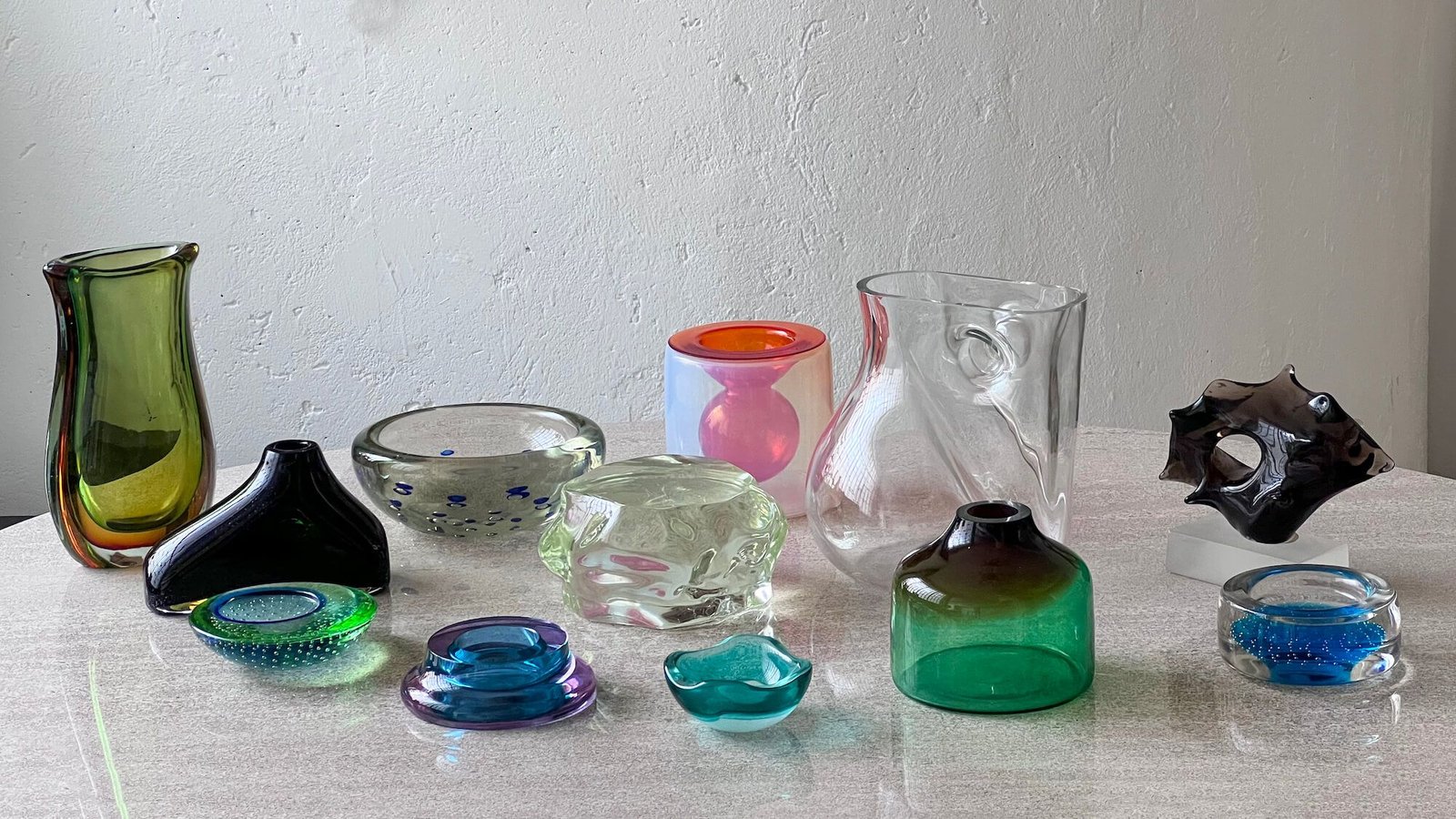
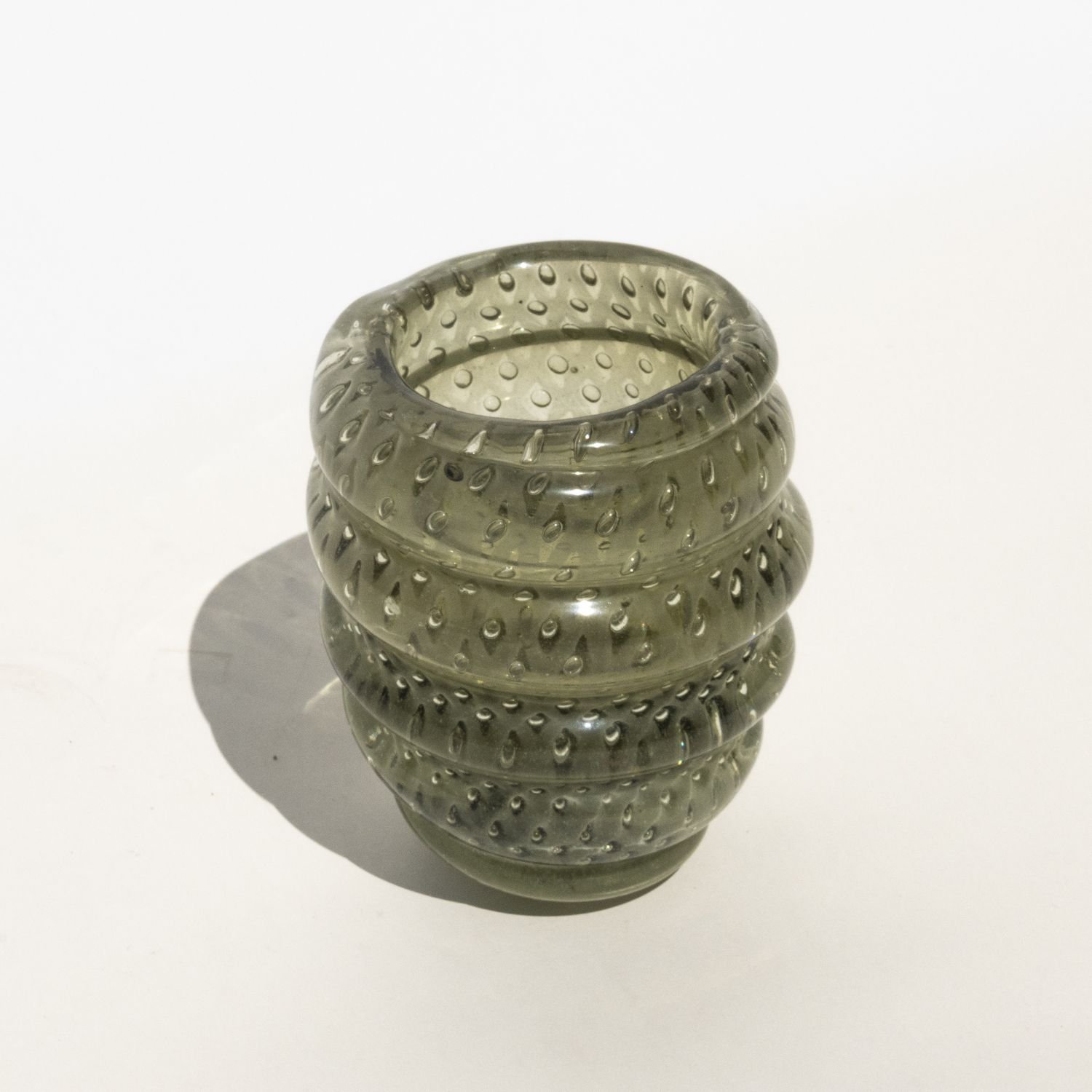
Signature Murano techniques distinguish the island’s production and reveal the breadth of its technical repertoire. Millefiori involves forming patterned canes that, when sliced and fused, create floral or geometric motifs. Sommerso layers glass to produce a submerged color effect, where one hue appears suspended within another, enhancing visual depth. Filigrana arranges delicate glass threads into longitudinal lines or grids that are then incorporated into vessels, while reticello interlaces threads to produce a net-like structure inside the glass, showcasing transparency, symmetry, and fine control. Bullicante introduces arrays of small bubbles into the body of a piece, and avventurina disperses metallic inclusions to achieve a glittering field. Each of these methods requires a unique sequence of heat, gather, and tooling, and each contributes a distinct visual and tactile language.
The workshop environment supports these processes with specialized tools—gathering rods, blowpipes, molds, jacks, and blocks—as well as annealing ovens. The toolset is both standardized and, in its use, highly personal; experienced artisans develop subtle preferences in tool handling that influence line, thickness, and contour. Control of temperature is equally vital, as the timing of reheating and cooling determines the stability of forms, the clarity of inclusions, and the integration of multiple colors.
Contemporary innovation intersects with tradition in several ways. Advances in glass bonding without lead respond to material health and performance considerations, while new pigment formulations broaden the chromatic and optical options available to designers and artisans. Digital technologies, including 3D printing and laser cutting, have entered the workflow in selective applications, from prototyping components to shaping precise elements that are later integrated with hot glass. Sustainability has also become a focus: workshops explore recycled glass streams, invest in energy-efficient equipment, and engage with circular economy strategies. These developments do not supplant core hand skills but rather expand the toolbox through which Murano glassmakers respond to evolving aesthetic, technical, and environmental expectations.
Aesthetic Language & Variations
The aesthetic of Murano glass spans a continuum from classical restraint to contemporary experimentation. A defining characteristic is the interplay of light and color within and across the glass body. Whether conveyed through crystalline transparency, vibrant polychromy, or delicately stratified tones, the material’s optical qualities are actively composed by the artisan. The use of gold or silver leaf inclusions enhances reflectivity and texture, while thin walls and controlled curvature emphasize luminosity and visual lightness.
Distinct techniques cultivate characteristic patterns and effects. Millefiori’s floral and geometric tessellations create rhythmic surfaces that read as both decorative fields and structural textures. Sommerso magnifies the perception of depth, tinting the inner space of a piece so that color appears to emanate from within. Filigrana and reticello articulate the glass with threads and grids, invoking analogies to textiles and drawing while maintaining a resolutely glass-based tactility. Bullicante and avventurina introduce air and metallic particles into the composition, modulating translucency and sparkle in ways that remain archetypal to Murano production.
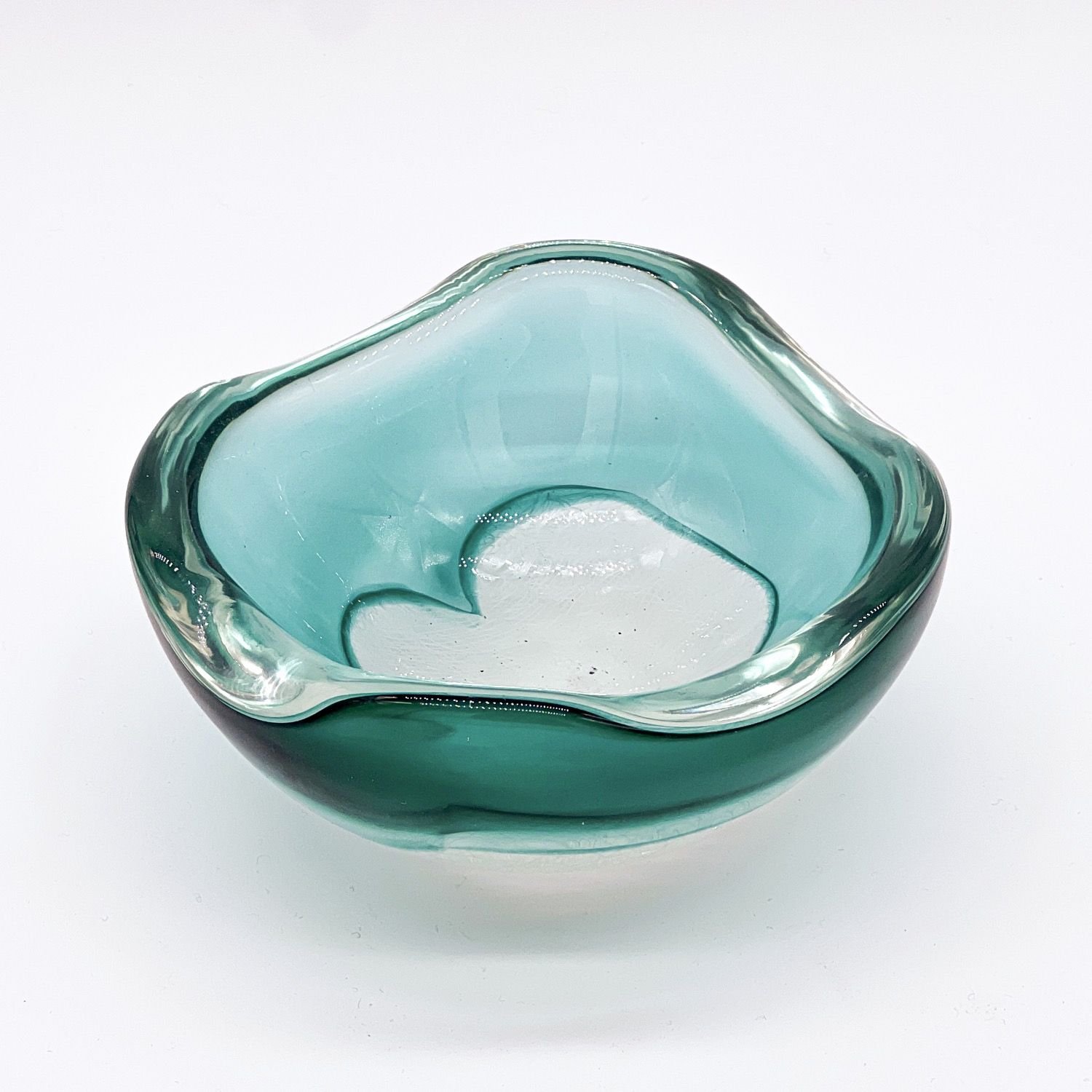
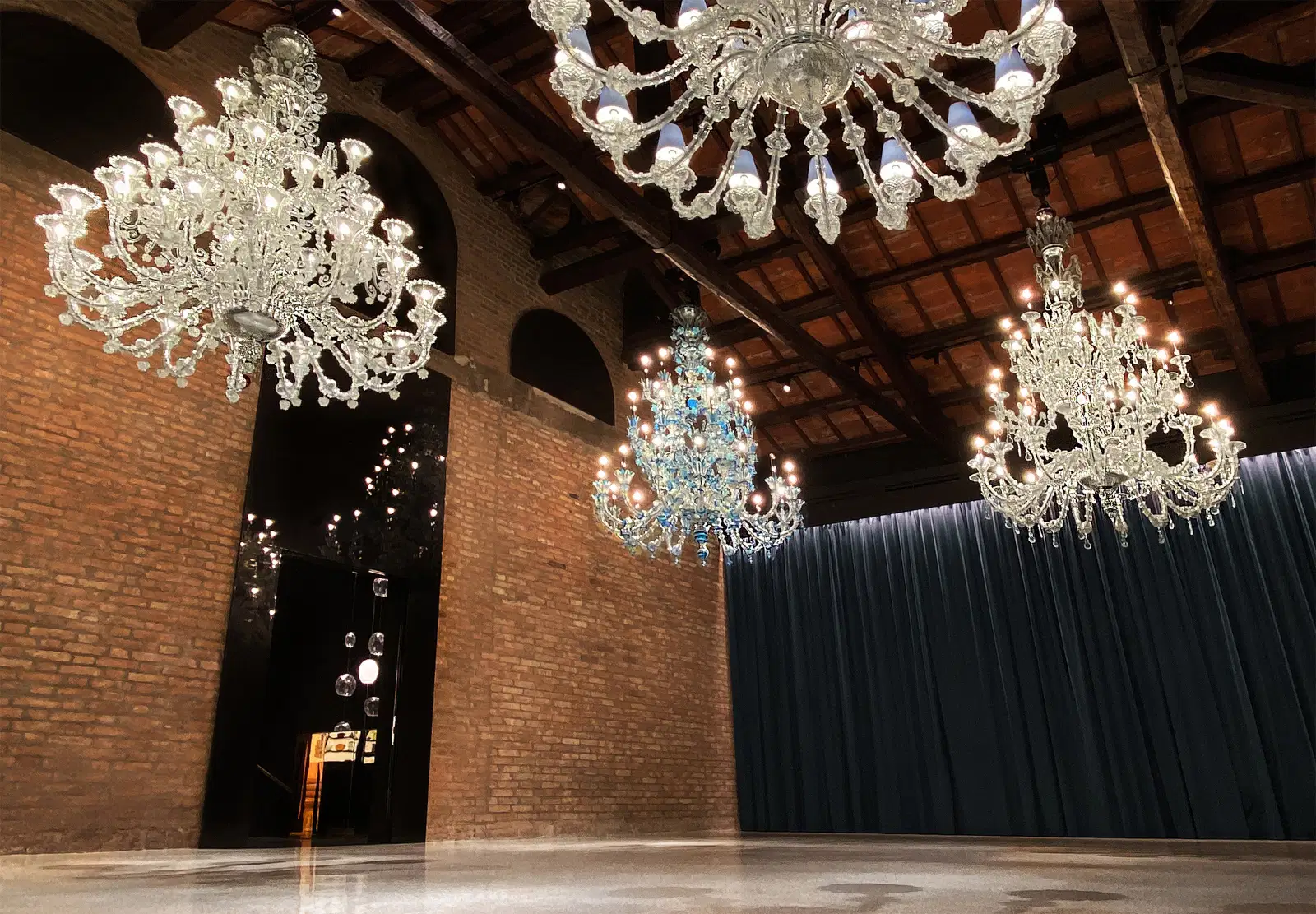
Formally, Murano glass encompasses vessels, chandeliers, sculptural objects, and tableware that reference historical archetypes while engaging with modern sensibilities. Influences from Art Nouveau and Art Deco are legible in elongated curves, floral abstractions, and stylized geometry, while minimalism and maximalism offer parallel pathways: one emphasizing reduction and clarity, the other luxuriating in color density and ornate surface. Contemporary dialogues extend glass beyond object categories, connecting it with painting, sculpture, drawing, and textiles. Across these variations, the core identity of Murano glass persists in the calibrated synthesis of technique, material, and light.
Makers & Knowledge Transmission
Murano glassmaking is sustained by workshop structures that blend family lineage, team-based practice, and codified training. Historically aligned with guilds that safeguarded quality and trade secrets, the craft continues to rely on apprenticeship as the primary mode of skill transmission. Becoming a maestro glassblower typically involves up to fifteen years of incremental learning, combining theoretical understanding of materials and heat with intensive, hands-on repetition of tasks. The maestro directs the sequence of operations, refines prototypes, and coordinates assistants, while also contributing innovations in tools, techniques, and form.
Legacy firms and contemporary studios provide continuity and diversity within this ecosystem. Barovier&Toso, documented since 1295, is often cited in relation to the deep historical presence of glassmaking on the island. Alongside it, Seguso, Venini, NasonMoretti, Barbini, Fratelli Toso, Vistosi, and Mazzega exemplify the range of approaches—spanning lighting, tableware, sculptural works, and research-driven experimentation. These makers develop distinct design vocabularies, maintain archives of techniques, and collaborate with artists and designers to push the expressive potential of glass while honoring workshop discipline and tradition.
Collaboration is a defining feature of contemporary Murano practice. Artists and designers engage with master glassmakers to align concept and technique, allowing ideas to be translated into the hot shop through iterative making. This dynamic encourages cross-pollination: traditional methods expand to accommodate new forms, while designers learn to articulate concepts within the constraints and opportunities of molten material. Educational initiatives and glassmaking schools contribute to continuity by preparing future practitioners and by providing structured pathways for learning. These efforts address questions of generational transition and ensure that the tacit and explicit knowledge of the craft remains active and adaptable.
Contemporary Presence & Market Context
Today, Murano glassmaking operates within a global market that recognizes its cultural heritage and values bespoke production. The craft serves both functional and decorative roles: chandeliers and lamps shape interior atmospheres, tableware and jewelry integrate artisanal detail into daily use, and art objects function as focal points in collections and designed spaces. These outputs connect to the identity of Venice and to Italian artisanal excellence more broadly, positioning Murano work as a symbol of luxury, craftsmanship, and cultural patrimony. Workshops and museums provide educational and experiential opportunities that support local economies and affirm the cultural significance of the practice.
Market analyses indicate that the Murano glass sector is valued at approximately USD 2.1 billion in 2025, with projections reaching USD 3.08 billion by 2032 at a compound annual growth rate of 5.54 percent. Product categories encompass chalcedony, crystal, filigree, lattimo, and millefiori glass, deployed across applications such as art, collectibles, jewelry, and accessories. Distribution channels include boutiques, galleries, and other offline venues, complemented by direct-to-consumer e-commerce and online platforms that broaden geographic reach. Demand is global, with notable activity in the Americas, Europe, the Middle East, Africa, and the Asia-Pacific region.
Within this landscape, several manufacturers maintain leading positions. Barovier&Toso, Ars Murano, Venini, Seguso, NasonMoretti, and others anchor the sector with established reputations and ongoing investments in design and production. The market contends with international competition and tariff variations, prompting strategic responses such as consolidated shipments and partnerships across regions. These approaches aim to maintain efficiency, ensure consistent quality, and align logistics with fluctuating regulatory and economic conditions. At the same time, customization and bespoke services have grown in prominence, allowing clients to specify dimensions, colors, and techniques in ways that support both individual expression and the continuity of artisanal methods.
Sustainability and eco-efficiency are increasingly significant differentiators. Workshops are exploring recycled material streams, investing in energy-efficient furnaces, and engaging with circular economy practices to reduce waste. Such efforts respond to broader environmental expectations and can contribute to long-term resource management in a craft that depends on carefully controlled heat and material inputs. Meanwhile, research into glass bonding without lead and new pigment formulations reflects a shift toward material choices that align with contemporary standards while preserving hallmark visual qualities.
Collaborations with luxury fashion brands and contemporary designers enhance the visibility of Murano glass and stimulate innovation in form and technique. These exchanges introduce the craft to new audiences, encourage limited editions and special commissions, and position the workshops within a wider conversation about design heritage and modern lifestyles. The interdisciplinary dialogue that results—connecting glass with practices akin to painting, sculpture, drawing, and textiles—reinforces the idea that Murano glassmaking is not only a repository of historical knowledge but also a living field responsive to current cultural and market dynamics.
Conclusion
Murano glassmaking persists as a distinctive locus of material culture, uniting deep historical roots with an openness to new ideas and methods. From the early documentation of glass furnaces and a “magister vitri” to the consolidation of production on Murano in 1291, the tradition has grown through careful stewardship of knowledge, systematic training, and a commitment to excellence. Its techniques—mouthblowing, lampworking, and a suite of specialized decorative processes—constitute a language that continues to inform both classic and contemporary design. Leading houses and master artisans steward this heritage while engaging in collaborations that test the boundaries of what glass can express.
In the present, Murano’s role encompasses cultural symbolism, functional design, and participation in a complex global market. The sector’s growth projections, the diversification of product segments, and the prominence of both offline and online distribution indicate an enduring relevance. Efforts in sustainability and technological innovation show a craft willing to adapt, while customization underscores the value of intimate, client-specific making. Areas that warrant further research include detailed economic data on artisan livelihoods, the scale and impact of apprenticeship and educational programs, the quantitative assessment of environmental initiatives, the extent of intellectual property protections related to trade secrets, the demographic profile within the artisan community, and the degree of integration between traditional techniques and emerging digital tools. Continued documentation and analysis will support a robust understanding of the field and help ensure that Murano glassmaking remains a vital, informed, and evolving practice in the modern design world.