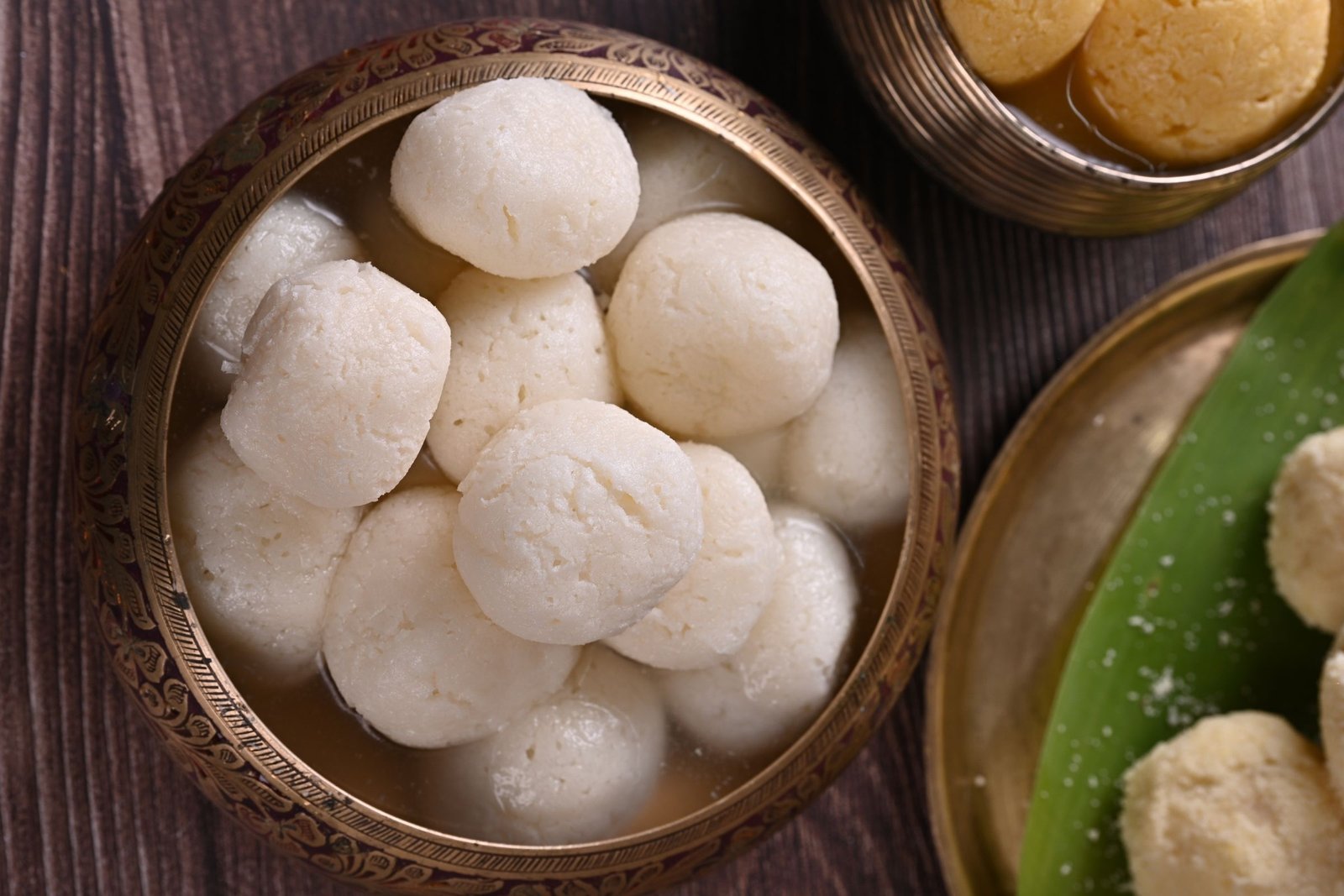

Bengali Mishti: A Culinary History of Sweets, Ritual Practice, and Regional Variation
Bengali sweets, collectively known as mishti, form a constellation of confections that shape the rhythms of life across Bengal, encompassing West Bengal in India and Bangladesh. Their defining grammar is milk, transformed through boiling, fermentation, frying, and especially curdling into chhana, an acid-set cheese that underpins iconic creations such as rosogolla and sandesh. Alongside chhana-based sweets, Bengali confectionery also encompasses creamy fermented mishti doi, syrup-soaked fried delicacies, and grain- or pulse-based specialties tied to local harvests and seasons. The category thus spans textures from spongy to crumbly, silken to crisp, and flavors ranging from the mild sweetness of sugar to the layered warmth of jaggery, notably nolen gur-date palm jaggery prized in winter. More than a repertoire of techniques, mishti is embedded in ritual practice, social exchange, and regional identity, as indispensable at domestic rites and temple offerings as it is at everyday tea stalls and festive gatherings. These sweets also constitute a significant economic sector, supporting extensive networks of dairy producers, artisans, retailers, and associated services, and attracting visitors who seek out storied shops and regional specialties. Rooted in historic exchanges and local ingenuity, Bengali mishti illustrates how culinary traditions absorb external influences, consolidate regional tastes, and continuously adapt to new technologies and consumer preferences while sustaining their ritual centrality.
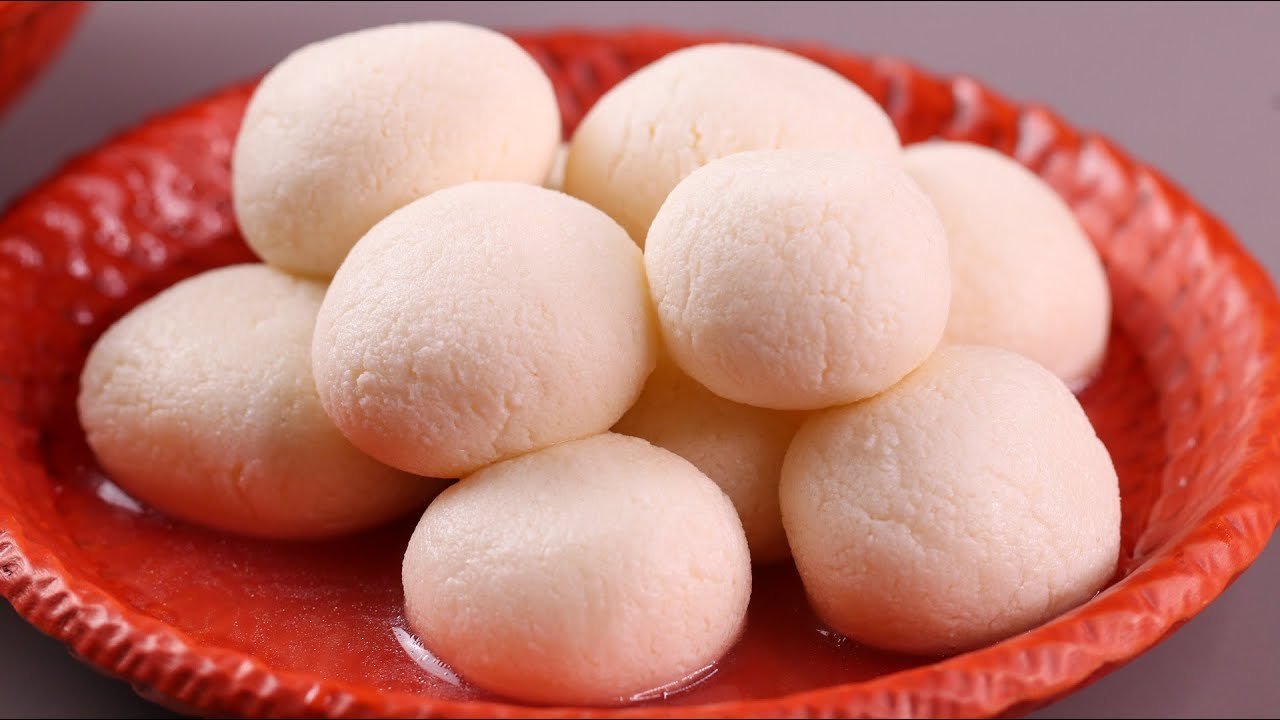 Bengali Mishti: A Culinary History of Sweets, Ritual Practice, and Regional Variation — Kolkata Rasgulla
Origins & History
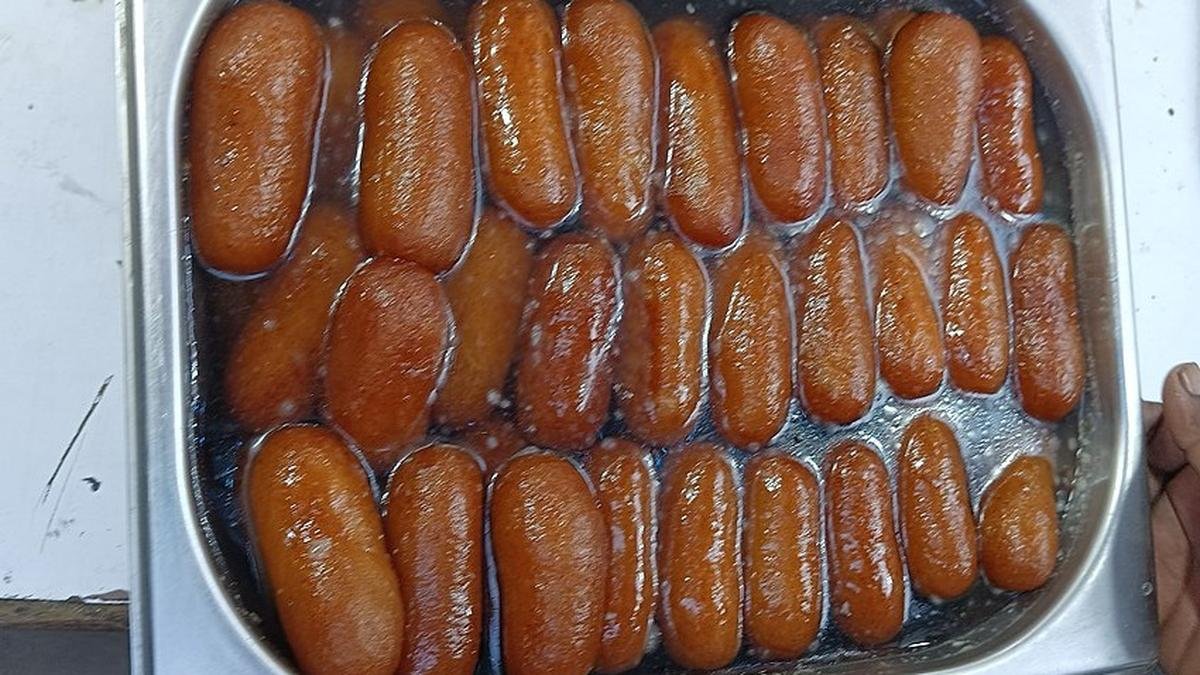
The modern profile of Bengali sweets emerged through a long trajectory of local practices intertwined with transoceanic exchange. Before the sixteenth century, Bengal’s confections largely relied on milk reductions, grains, pulses, and jaggery; curdled milk was not a valued base for sweets. The arrival of the Portuguese to the Bengal littoral introduced acid-curd cheese-making, and with it, new possibilities for confectionery. Through mercantile settlements in places such as Bandel and Chittagong, techniques of acidulating milk to yield chhana were transmitted into local kitchens and sweet workshops. The adoption of chhana transformed the landscape of sweets, enabling a class of preparations in which milk proteins could be kneaded, shaped, cooked, and perfumed with sugar or jaggery. Over the following centuries, confectioners refined distinct families of sweets: sandesh, ranging from crumbly to molded; syrup-boiled rosogolla with their signature sponginess; and fried, syrup-soaked forms such as pantua and kalojam. Within the nineteenth-century milieu of Calcutta, rosogolla achieved a definitive form through the work of confectioners such as Nobin Chandra Das, while earlier pre-colonial culinary forms persisted in parallel, yielding a creolized confectionery that reflected both continuity and change. Literary and devotional texts, including works like the Chaitanyacharitamrita and the Padmapuran, register sweets as central to religious offering, social exchange, and gastronomic pleasure, pointing to a deep integration of mishti into Bengal’s cultural fabric. By the twenty-first century, the sweet industry grew into a major economic activity embedded in urban and rural economies alike, with an extensive network of shops and workers. This historical arc foregrounds not a single origin story but the layered cohabitation of indigenous practices and European-introduced techniques, whose precise timelines invite continued scholarly attention even as their combined outcome-Bengali mishti-remains unmistakable in form and function.
Ingredients & Techniques
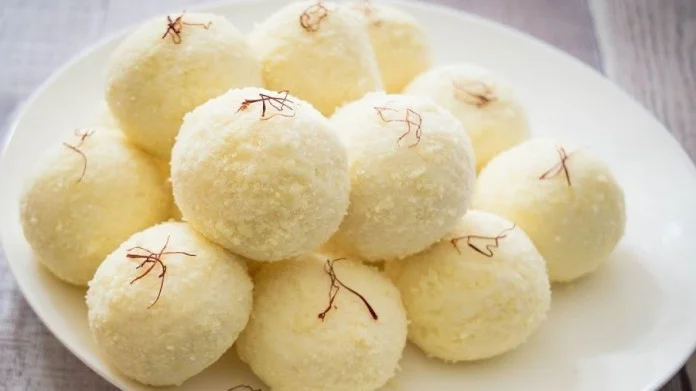
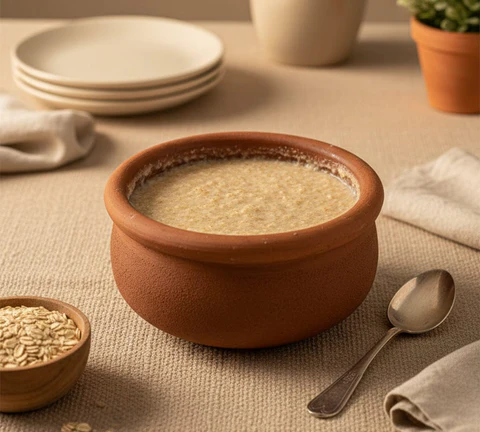
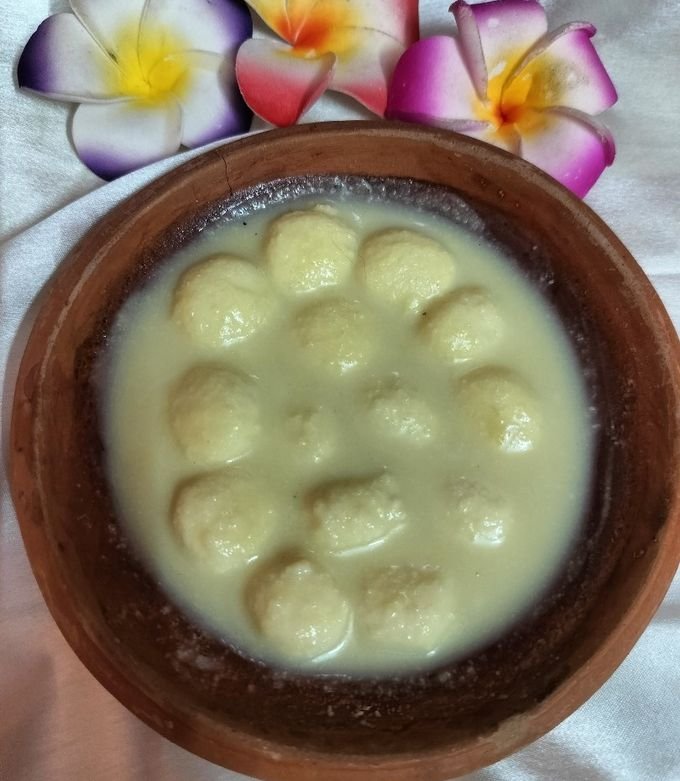
Bengali sweets are defined by the deft handling of a concise palette of ingredients whose transformations yield extraordinary variety. Central among these is milk, manipulated into chhana through acidification with lemon juice or vinegar, or reduced to khoa/mawa for dense confections, or cultured into mishti doi through controlled fermentation. Chhana is both canvas and structure: once coagulated and drained, it is kneaded to a smooth, elastic mass for sweets that require spring and cohesion, such as rosogolla, or left with a looser crumb for certain sandesh styles. Sugar and jaggery shape sweetness and texture; date palm jaggery, especially nolen gur in winter, imparts notes of caramel and smoke, and remains crucial to seasonal specialties where the sweetener’s character is as prized as the base. Rice and pulses contribute body and crispness: rice varieties such as Gobindobhog and parboiled rice enter sweets as flours or in puffed form, while gram (besan) and moong dal provide nutty tones and structure in fried and syruped confections. Coconut enriches fillings and barfis, while fragrances-cardamom, saffron, rosewater, clove, cinnamon, and camphor-lend aroma and ritual associations. Techniques range from cooking and re-cooking milk to concentrate its fats and proteins, to methodically kneading chhana to calibrate tenderness and bounce, to precise syrup management where temperature and density decide whether a sweet drinks in syrup or holds it at the surface. Rosogolla depends on maintaining chhana moisture, gentle shaping, and boiling in aerated sugar syrup to create uniform pores and sponginess; sandesh often requires slow cooking of chhana with sugar or jaggery to the point where it can be molded or pressed without sweating. Fried sweets such as pantua and kalojam balance acidic curd cheese with agents that promote browning, then soak in syrup for a lacquered finish. Fermented mishti doi is traditionally set in porous earthen pots that wick water and encourage thickening while imparting a faint earthy scent. Utensils range from earthen ovens and wide pans that maximize evaporation to wooden paddles used for kneading and molds that imprint iconography. Sustainability practices-such as using solar energy for production steps and packaging in earthenware or sal leaf containers-extend the tradition’s emphasis on local materials and biodegradability, reinforcing the continuity between technique, environment, and everyday use.
Bengali Mishti: A Culinary History of Sweets, Ritual Practice, and Regional Variation — Jilipi
Cultural Context
Mishti is inseparable from ritual life in Bengal. Temples and homes alike present sweets as offerings during Durga Puja, Kali Puja, Saraswati Puja, and Lakshmi Puja, as well as during processional festivals such as Ratha Jatra and seasonal observances including Poila Boishakh and Poush Parbon. In these settings, sweets signify auspiciousness, prosperity, and the wish for well-being; the act of distribution-prasadic sharing after offering-translates religious sentiment into social bonds. Beyond the ritual calendar, sweets underscore life-cycle events: weddings, naming ceremonies, and housewarmings unfold through the exchange of carefully chosen confections, with specific types selected to honor season, kinship, and social obligations. Hospitality itself often begins with mishti; to offer a visitor a sweet is to enact convivial reception and extend respect. Literature, folklore, and cinema reflect this emotional register, where sweets index home, memory, and a shared aesthetic of taste and texture. Historically, the moira community of confectioners has anchored the profession, with skills transmitted through apprenticeships and family workshops that codify and innovate tradition in equal measure. Contemporary sweet-making retains this artisanal core while interfacing with modern supply chains and urban retail. Festivals and community competitions highlight technical prowess and regional identity, supporting civic pride and collective celebration. Culinary tourism-sweet shop trails, tastings, and participatory demonstrations-has become a conduit for cultural immersion, revealing the layers of craft and context behind familiar names. The tradition’s creolized character, born of European techniques and local imagination, is central to its cultural meaning, signaling that identity in Bengal has long been made through exchange as much as through inheritance. Within this framework, authenticity is not simply a static quality but a negotiated standard grounded in practice, memory, and the capacity of sweets to anchor both ritual propriety and everyday pleasure.
Variations & Related Traditions
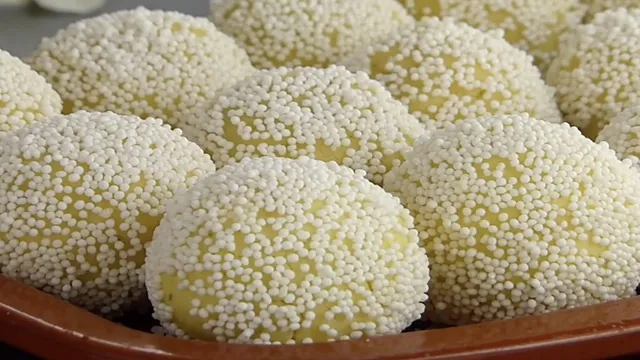
Regional specialties give Bengali sweets their textured geography, drawing on local produce, seasonal rhythms, and workshop lineages. Hooghly’s Jolbhora Sandesh, with a core that releases rosewater or winter’s date palm jaggery, dramatizes sandesh’s pliant chhana matrix by embedding liquid within solid. Guptipara’s Gupo Sandesh preserves an older pressed style, while Natore’s kachagolla in Bangladesh showcases unripened spherical curds that honor the delicacy of fresh chhana without heavy cooking. Winter’s nolen gur transforms sandesh altogether, substituting refined sugar with a jaggery that contributes both color and an aroma associated with cool mornings and harvest fairs. Malda’s Kansat layers chhana with kheer to produce a fuller, creamier profile, and Bardhaman’s mihidana, made from rice and gram flour, is defined by its minute, bead-like granules that crystallize precision in battering, frying, and syruping. From Mymensingh, the cylindrical chomchom presents an elongated chhana sweet whose syrup regimen yields a dense yet permeable crumb. South 24 Parganas’ Joynagarer Moa couples puffed rice with date palm jaggery, anchoring a winter specialty that belongs as much to the logic of grains as to dairy, and Kamarpukur’s white bonde and darbesh emphasize pulse-based textures and forms adapted to frying and syrup absorption. Krishnanagar’s sarpuria and sarbhaja celebrate the accumulation of milk skin-a technique of patience and repetition that layers crispness and cream. Together, these geographies map an internally diverse tradition in which rice, pulses, and jaggery temper dairy’s dominance, and where varied handling of chhana yields divergent mouthfeels from the spring of rosogolla to the crumb of sandesh. Such variation reflects historical movement as well-techniques and preferences traversing riverine routes and market towns-producing a shared Bengali repertoire that crosses present-day borders. While existing accounts document many celebrated examples, comparative and cross-border research continues to be essential for understanding how workshops influenced one another, how agricultural shifts altered ingredient choices, and how shared sweets evolved distinct local names and reputations.
Context of Experience
In daily life, mishti functions as both treat and punctuation. A small sweet at the end of a meal, a shared plate in the office, a stop at a neighborhood shop after evening walks: these routines embed confectionery in mundane time. Festivals and rites expand the scale, as trays circulate among kin and neighbors and boxes travel to relatives, reinforcing networks of obligation and care. The act of gifting admits regional seasonality-nolen gurer sandesh in winter, for example-while also acknowledging the receivee’s preferences for textures and levels of sweetness. Sensory expectations are learned and debated: rosogolla should be buoyant yet tender, yielding to pressure and releasing syrup without graininess; sandesh should balance moisture and crumb, fragrant with cardamom or flecked with saffron, unctuous yet not greasy; mishti doi should set tightly in its earthen pot, its tartness rounded by caramel notes. Culinary tourism makes these tacit standards legible to visitors through guided tastings, visits to historic shops, and hands-on classes that reveal how kneading chhana or managing syrup density directly translates into mouthfeel. Packaging traditions support the experience: sal-leaf plates at local fairs and earthen pots for yogurt resonate with ecological common sense and tactile memory, even as modern outlets adapt to food safety regulations and portability. Consumer preferences are also evolving alongside health consciousness, prompting the development of low-sugar, sugar-free, and hybrid or fusion sweets that borrow forms or flavorings while attempting to preserve essential textures. For many in the Bengali diaspora, authenticity remains paramount, with visits home often organized around tasting circuits that confirm memory and mentor younger generations in regional distinctions. The interplay of tradition and innovation thus unfolds not merely in workshops but at tables and counters, in moments of offering and sharing, where the criteria for “good” mishti are continually rehearsed and refined.
Conclusion
Bengali mishti exemplifies how culinary traditions crystallize from the confluence of technique, ecology, trade, and ritual. The arrival of acid-curd cheese-making through Portuguese contact in the sixteenth century provided a decisive means of transforming milk, catalyzing new genres of sweets that coexist with earlier grain- and jaggery-centered forms. Over time, artisan confectioners refined textures and codified methods, while literature and devotional practice wove sweets into everyday ethics and religious observance. The result is a creolized confectionery where European influence and local skill do not cancel each other but generate a distinctive grammar of chhana, syrup, and spice, animated by seasonal jaggery, regional rice, and pulse flours. Today, mishti’s reach encompasses major economic activity and cultural tourism, serving as a gateway to understanding Bengali life across households, markets, and temples. Its regional variations-Jolbhora Sandesh, Mihidana, Chomchom, Joynagarer Moa, Sarbhaja, and many more-attest to the ways local agriculture and workshop lineages continue to shape taste. Even as contemporary concerns around health, sustainability, and portability prompt new formulations and packaging, the tradition’s core tenets remain: careful sourcing of milk and sweeteners; meticulous handling of chhana, syrups, and ferments; and an ethics of sharing that endows sweets with social purpose. Ongoing scholarship has important work ahead: clarifying the chronology and scope of Portuguese and other European influences relative to indigenous developments; documenting cross-border continuities between West Bengal and Bangladesh; standardizing nutritional and shelf-life data; assessing how sugar substitutes and new technologies affect sensory benchmarks; and deepening ethnographic understanding of moira communities. Yet the evidentiary horizon is already sufficient to see why mishti endures: it anchors ceremony, seasons, and sociability; it rewards skill and patience; and it invites each generation to participate in a practice that is as much about making community as it is about making sweets. In that sense, Bengali mishti is not only a body of recipes and techniques but a living cultural grammar, durable because it is shared, precise because it is practiced, and open to exchange because it has always grown through encounter.